
Does Waxing Reduce Hair Growth Over Time?

If you’ve been waxing for a while, you’ve probably noticed something: the hair seems to come back a little thinner, a little sparser, and maybe even a little slower than it used to. So naturally, you start wondering – does waxing actually reduce hair growth over time, or is that just wishful thinking?
It’s a question that comes up constantly in salons, and honestly, it deserves a straight answer. Let’s break down what’s really happening beneath the skin every time you get waxed.
What Happens to Your Hair When You Wax
To understand whether waxing affects long-term hair growth, you need to understand what waxing actually does. Unlike shaving, which cuts hair at the surface, waxing removes the entire hair strand from the root – all the way down in the follicle.
That follicle sits beneath the skin’s surface, and when the hair is removed cleanly, it has to begin the regrowth process again. It’s a bigger disruption than a razor ever creates.
The Role of the Hair Follicle
Your hair follicle is essentially the “home base” for each strand of hair. It’s responsible for producing and cycling hair through three stages: growth (anagen), transition (catagen), and rest (telogen).
When waxing repeatedly pulls hair from the same follicle over months and years, that follicle can become damaged or weakened. A weakened follicle produces thinner, finer hair – and sometimes, it may stop producing hair altogether in certain spots.
This is not guaranteed, and it doesn’t happen overnight. But it is a real phenomenon, backed by what professional estheticians observe in long-term waxing clients.
Does Waxing Permanently Remove Hair?
Here’s the honest answer: no, waxing is not a permanent hair removal method.
Waxing does not permanently destroy the hair follicle the way laser hair removal or electrolysis does. Those treatments use targeted heat or electrical current to disable the follicle entirely. Waxing works mechanically – it just pulls the hair out.
However, that doesn’t mean waxing has no long-term effect on hair growth. It can still affect regrowth over time. The difference is in the degree and predictability of that effect.
What Waxing Can Do Over Time
With consistent waxing over a long period – we’re talking months to years – many people experience noticeable changes:
- Hair regrows more slowly between sessions
- The texture of regrowth becomes finer and softer
- Some follicles may stop producing hair in treated areas
- Overall hair density can appear reduced
These changes happen gradually, and they vary from person to person. Genetics, hormone levels, and the area being waxed all play a role in how your body responds.
Why Consistency Matters More Than People Realize
One of the biggest mistakes people make with waxing is going inconsistently. You wax, then shave in between because you can’t stand the wait, then wax again. That cycle actually works against you.
When you shave between waxing appointments, you remove the hair at the surface instead of from the root. You lose the follicle-weakening benefit that consistent waxing builds up over time.
Sticking to a regular waxing schedule – typically every 3 to 6 weeks, depending on the area – is what actually gives your body the chance to slow down regrowth and produce finer hair over time. The more consistent you are, the more you benefit.
The Telogen Effect
There’s a biological reason why consistent waxing pays off. When you repeatedly pull hair during its active growth phase (anagen), you’re interrupting that cycle in a way that can push more follicles into the resting phase (telogen) earlier.
Over time, this can mean fewer actively growing hairs at any given moment, which translates to visibly sparser regrowth. It’s not magic – it’s just your body responding to repeated disruption.
Areas Where You’re Most Likely to See Reduced Growth
Not all body hair is created equal, and some areas respond to waxing more noticeably than others.
The face – especially the upper lip and brows – tends to show the most dramatic long-term change with consistent waxing. The hair in these areas is often finer to begin with, and the follicles here seem particularly responsive to repeated removal.
The legs and arms are also areas where people commonly report sparser, finer regrowth after years of consistent waxing. Underarms and the bikini area can show improvement too, though results tend to vary more in these regions because the hair is coarser.
Areas with coarser, hormonally driven hair – like certain parts of the bikini line in some individuals – may be more stubborn and show less long-term change, simply because hormones keep driving follicle activity.
Waxing vs. Other Hair Removal Methods
It helps to put waxing in context with other options, because “reduces hair growth” means very different things depending on the method.
- Shaving does nothing to the follicle and has zero long-term effect on hair growth. The idea that shaving makes hair grow back thicker is a myth – the blunt cut just makes it feel that way.
- Depilatory creams dissolve the hair at the surface, similar in effect to shaving. No follicle disruption occurs, so no long-term change.
- Laser hair removal targets the melanin in the follicle using concentrated light energy. It can significantly reduce or eliminate hair growth in treated areas, particularly for people with darker hair and lighter skin. It is considered a semi-permanent to permanent option with enough sessions.
- Electrolysis is currently the only FDA-recognized permanent hair removal method. It destroys each follicle individually using electrical current.
Waxing falls somewhere between shaving and laser – more impactful than surface removal, but less definitive than energy-based treatments. For many people, that’s exactly the right balance of effectiveness, affordability, and accessibility.
What Professional Waxing Does Differently
There’s a meaningful difference between a quick DIY wax at home and a professional waxing service. It goes beyond comfort – though that matters too.
A trained esthetician understands hair growth direction, skin sensitivity, and how to apply and remove wax in a way that removes hair cleanly from the root rather than breaking it mid-shaft. When hair breaks instead of being removed from the root, you lose the follicle-disruption benefit entirely.
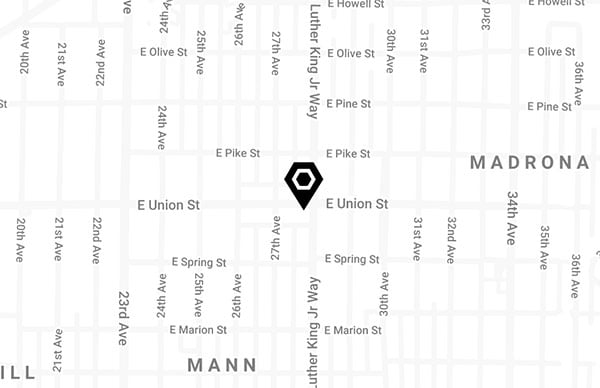
Professional waxing also uses higher-quality products – hard wax versus soft wax applied appropriately for different areas – which allows for more precise, effective hair removal. At Adorn Beauty in Seattle, every waxing service is performed by fully accredited estheticians who understand the difference between doing something quickly and doing it right.
That matters if your actual goal is to see long-term change in your hair growth, not just temporary smoothness.
Common Questions About Waxing and Hair Growth
How long does it take to see reduced hair growth from waxing?
Most people start noticing a difference after several consistent months of waxing – typically around six months to a year. Some see changes sooner, depending on the area and individual hair type.
Does waxing make hair grow back thicker?
No. This is one of the most persistent myths in hair removal. Waxing actually tends to do the opposite – hair often grows back finer and softer over time because of repeated follicle disruption. Shaving is what creates the blunt, stubbly texture that feels coarser, not waxing.
Can waxing stop hair growth completely?
For some individuals and in certain areas, yes – occasional complete follicle dormancy can happen with long-term waxing. But this is not universal, and it cannot be reliably predicted or guaranteed. If complete permanent removal is your goal, laser hair removal or electrolysis would be more appropriate.
How often should I wax to see long-term results?
Consistency is key. Most people benefit from waxing every 3 to 6 weeks depending on the area. Skipping appointments or shaving in between disrupts the process and reduces long-term benefit.
Is professional waxing better than at-home waxing for reducing hair growth?
Professional waxing is generally more effective at removing hair cleanly from the root, which is what drives long-term follicle changes. Home waxing often results in more breakage, which means less follicle disruption over time.
Does Waxing Reduce Hair Growth? The Bottom Line
Waxing does not permanently remove hair, but it’s far from just a temporary fix. With consistent professional waxing over time, most people genuinely experience slower regrowth, finer hair texture, and reduced density – real changes that add up. The key is staying consistent and letting trained hands do the work properly. If you’re ready to start seeing those long-term results, book your next session with Adorn Beauty’s waxing services in Seattle – or call us at 206-468-0198 to find the right appointment for you.


Leave a Reply
Want to join the discussion?Feel free to contribute!