So you want to upgrade your lashes, but you’re not sure whether to go with a lash lift or lash extensions. Both options promise to make your eyes pop, but they’re quite different experiences with very different results. Choosing the wrong one for your lifestyle can mean disappointment, unnecessary upkeep, or spending money on something that doesn’t actually fit your routine.
This guide is here to help you figure out which option makes the most sense for you, without any fluff.
What Is a Lash Lift?
A lash lift is essentially a perm for your natural lashes. A technician applies a chemical solution to your lashes while they’re shaped over a silicone rod, curling them upward and holding that curl in place for weeks.
The result is a wide-eyed, bright look that makes your natural lashes appear longer and more visible. There are no added fibers, no extensions, just your own lashes lifted to their full potential.
Most lash lifts are paired with a lash tint, which darkens the lashes to make them look thicker and more defined. Together, they can give you a mascara-free look that lasts for six to eight weeks.
What Makes a Lash Lift a Low-Commitment Option
The main appeal of a lash lift is simplicity. Once the treatment is done and the 24-hour aftercare window has passed (no water, steam, or touching), you can pretty much go about your life without thinking much about your lashes.
There are no refill appointments, no special cleansing routines, and no concerns about individual lashes falling out. For someone who wants to look polished without a high-maintenance beauty routine, this is often the better fit.
What Are Lash Extensions?
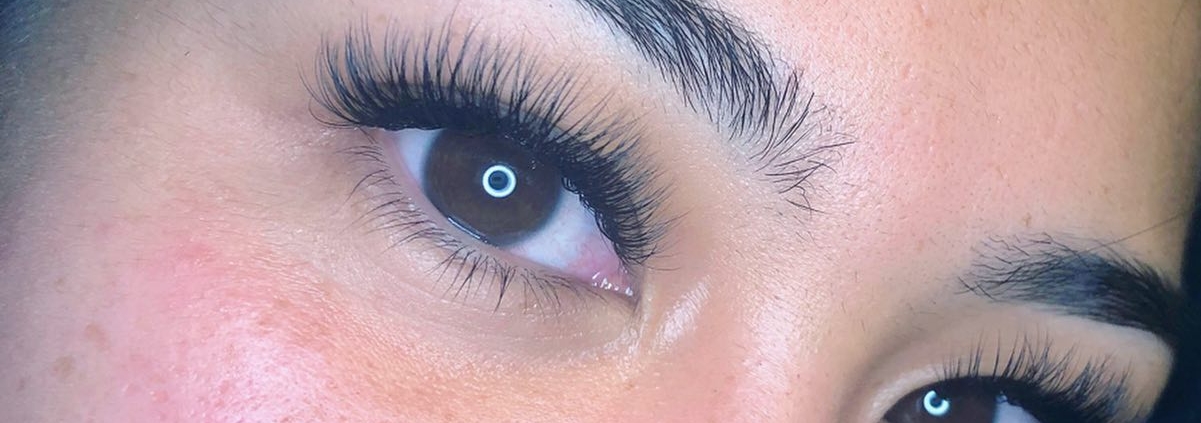
Lash extensions are individual synthetic, silk, or mink-style fibers that are bonded directly to your natural lashes using a semi-permanent adhesive. They add length, volume, curl, and drama that your natural lashes simply can’t achieve on their own.
Extensions come in a wide range of styles. Classic extensions apply one extension per natural lash for a clean, refined look. Volume sets use multiple lightweight extensions per lash to create a fuller, more textured effect. Hybrid sets blend the two for something in between.
The result looks polished and striking, and many clients feel like they wake up ready to go without needing to do anything to their lashes at all.
Why Lash Extensions Require Real Commitment
Extensions are not a one-and-done service. Because your natural lashes shed on their own growth cycle, the extensions attached to them fall out over time as well. Most people see gaps developing within three to four weeks, which means scheduling regular fill appointments to keep the look intact.
Fills are typically recommended every two to three weeks, depending on how fast your lashes grow and how well you care for them. You’ll also need to be mindful of oil-based products near your eyes, avoid rubbing your eyes, and use a gentle brush to keep the extensions from tangling.
If you’re someone who loves the gym, steam rooms, or long showers with heavy water pressure, you’ll need to make adjustments. Extensions hold up well to normal daily life, but they do require a bit of extra thought.
Lash Lift vs Lash Extensions: A Side-by-Side Look
Both services have real value, but they suit very different people. Here’s a practical breakdown of how they compare across the factors that actually matter.
- Results: A lash lift enhances what you already have. Extensions transform your lashes into something they couldn’t naturally be. If your natural lashes are very sparse or short, a lift may have limited impact. Extensions can work on nearly anyone because they’re adding volume and length directly.
- Maintenance: Lash lifts are low maintenance after the initial 24-hour care window. Extensions require regular fills and a consistent daily care routine.
- Cost over time: A lash lift costs less upfront and doesn’t require ongoing appointments for six to eight weeks. Extensions involve a higher initial investment and recurring fill costs that add up over time.
- Lifestyle fit: If you travel frequently, work out often, or simply don’t want to think much about your lashes, a lift is usually easier to manage. If you want consistent, dramatic results and don’t mind the upkeep, extensions are worth it.
- Natural look vs. glam: Lifts tend to look more natural and understated. Extensions can be customized from subtle to very bold, but they always add something extra.
Who Should Get a Lash Lift?
A lash lift is a great fit for you if you already have decent natural lashes with a bit of length to work with, and you want to enhance them without any extra daily effort. It’s also ideal if you have a busy lifestyle, dislike wearing makeup, or simply prefer a more natural aesthetic.
It’s also worth considering a lash lift if you’re new to lash services and want to try something before committing to the full extension experience. It’s a gentler introduction with a shorter aftercare window and a lower price point.
People who swim regularly, practice hot yoga, or spend time outdoors in varying weather often find a lash lift to be more practical. There’s less to worry about once the initial 24-hour window has passed.
Who Should Get Lash Extensions?
Extensions are the better choice if you want a noticeable transformation, particularly if your natural lashes are sparse, light-colored, or naturally straight with little natural curl.
They’re also a fantastic option for special events, weddings, or ongoing situations where you want to consistently look put-together with minimal morning effort. Many clients find that once they get into the routine of fills, extensions become a seamlessly integrated part of their beauty routine.
If you’re someone who genuinely loves beauty rituals and doesn’t mind building a lash care routine into your day, extensions are rewarding. The payoff, in terms of how you look and feel, can be significant.
How to Care for Each Service
Caring for a lash lift mostly comes down to that first 24 hours. Avoid water, humidity, steam, and any pressure on the lashes. After that window closes, you can use mascara if you want extra definition, though many people find they don’t need it.
Caring for lash extensions involves a little more daily attention. Use a gentle, oil-free cleanser around your eyes, brush your extensions morning and night with a clean spoolie, and avoid sleeping face-down if you can. Oil-based makeup removers and certain skincare products can weaken the adhesive bond over time, so product choices matter.
At Adorn Beauty in Seattle, the team takes time to walk clients through aftercare instructions for both services so you’re not left guessing once you walk out the door.
Common Questions About Lash Lift vs Lash Extensions
Can I wear mascara with either service?
With a lash lift, yes. Mascara works beautifully over lifted lashes and won’t cause any damage, though many clients find they don’t need it. With extensions, mascara is generally not recommended and can shorten the life of your set significantly.
How long does each service last?
A lash lift typically lasts six to eight weeks. Lash extensions need fills every two to three weeks to stay looking full, though the extensions themselves can technically last through your natural lash cycle.
Do either of these services damage natural lashes?
When applied correctly by a trained professional, neither service should cause damage. Poorly applied extensions or an overly aggressive lift can stress the natural lash, which is why the skill of your technician matters. Adorn Beauty is fully accredited to provide eyelash extensions and uses only carefully researched, high-quality adhesives and materials.
Is one service more painful than the other?
Neither service is painful. A lash lift involves lying still with your eyes closed while solutions are applied, which some people find relaxing. Extensions are applied one by one to your natural lashes while you rest with your eyes closed, and most clients fall asleep during the process.
Can I switch between services?
Yes, though you should wait for your natural lash cycle to reset between services. If you’ve been wearing extensions and want to try a lift, your technician will advise you on the right timing based on the condition of your lashes.
What to Expect at Your First Appointment
Whether you’re booking a lash lift or a full set of extensions at Adorn Beauty in Seattle, the experience is designed to be comfortable and personalized. Consultations help your technician understand your natural lash condition, your desired look, and your lifestyle before any service begins.
Adorn Beauty is a salon certified in Barbicide disinfection, which means hygiene and safety are taken seriously at every step. Every tool is properly sanitized, and every service is performed with attention to both technique and client comfort.
Seattle clients appreciate that the salon stays current with the latest application methods, meaning you’re not getting techniques that were standard five years ago. Whether you’re coming in for your first lash service or you’ve had extensions before and want to try something new, the team is there to help you make a confident decision.
Choosing Between a Lash Lift and Lash Extensions
Choosing between a lash lift and lash extensions comes down to how much time you want to invest and what kind of results you’re after. A lift is simple, low-maintenance, and ideal for enhancing what you already have.
Extensions offer more transformation but require regular fills and a consistent care routine. Neither option is better than the other – it just depends on your lifestyle and goals. If you’re ready to figure out which service is the right fit, explore lash extensions at Adorn Beauty or call 206-468-0198 to talk it through with the team.