Sugaring Vs Waxing: Only One Skips the Ripping Sound
If you’ve ever braced yourself for that familiar tearing sensation during a hair removal appointment, you already know the sound we’re talking about. That sharp, fabric-ripping noise has become practically synonymous with waxing. But sugaring, its quieter and arguably gentler cousin, works differently enough that the comparison deserves a real look.
This guide breaks down what actually separates these two hair removal methods, which one is better for sensitive skin, and what to expect from each. No fluff, no sales pitch – just clear answers.
What Is Waxing, Exactly?
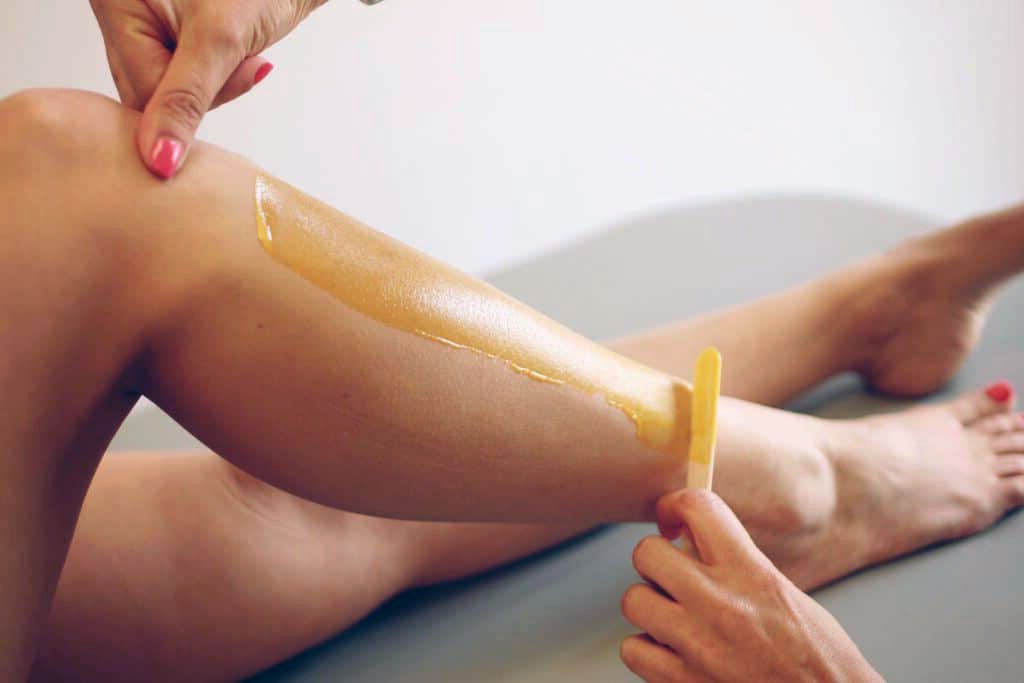
Waxing is one of the oldest and most widely used hair removal techniques in cosmetology. It involves applying a warm substance made from resin, oil, and other ingredients directly to the skin. Once it sets, a strip of cloth or paper is pressed over it and then pulled away quickly, removing hair from the root.
There are two main types: soft wax (used with strips) and hard wax (which hardens on its own and is peeled off without a strip). Hard wax is typically preferred for more sensitive areas like bikini waxing, underarms, and the face.
The heat from wax opens the pores and allows for closer adhesion to the hair. This is part of what makes it effective, but also part of what can cause irritation, especially if the temperature is too high or the skin is particularly reactive.
What Is Sugaring?
Sugaring, also known in cosmetology as epilation by sugar paste, uses a simple mixture of sugar, lemon juice, and water. That’s it. There are no synthetic resins, no chemical additives, and no unfamiliar ingredients – just a thick, moldable paste that wraps around each hair follicle without bonding to the skin itself.
The technique involves applying the paste against the direction of human hair growth and then removing it in the natural direction of growth. This distinction matters more than it might seem. Removing hair in the direction it grows reduces breakage and significantly lowers the risk of ingrown hair.
Because the sugar paste only adheres to hair and dead skin cells (not live skin), it acts as a mild form of exfoliation at the same time. That’s a genuine bonus, not a marketing claim.
Sugaring Vs Waxing: How They Actually Differ
The Ingredient List
Wax typically contains resin, sometimes synthetic, along with various oils and chemical binding agents. For people with an allergy to certain resins or fragrances, this can be a problem. Sugaring paste, by contrast, contains only sugar, lemon, and water. It’s about as simple as a substance can get while still being effective at hair removal.
How Each Adheres to Hair and Skin
This is where the real difference lies. Wax grips everything it touches, including your skin. Sugaring paste grips the hair and the outermost layer of dead skin cells, but it does not bond to live skin tissue. The result is a gentler pull with less trauma to the surrounding area.
Temperature and Heat
Wax is applied at a higher temperature, which can cause discomfort, especially for those with heat-sensitive or reactive skin. Sugar paste is used at body temperature or slightly above – warm enough to work, cool enough not to burn. This makes sugaring a noticeably safer option when it comes to heat-related risk.
Pain Level
This is subjective, but most people report that sugaring is less painful than waxing. Removing hair in the direction of growth, combined with a substance that doesn’t grip live skin, tends to result in less of that sharp, stinging sensation. It’s not painless, but it’s generally more tolerable, especially after the first session.
Ingrown Hair Risk
Waxing pulls hair against its natural growth direction, which increases the chance of breakage beneath the skin – a leading cause of ingrown hairs. Sugaring, applied and removed following the direction of human hair growth, significantly reduces this risk. If ingrown hairs have been an ongoing issue for you, sugaring is worth taking seriously.
Post-Treatment Irritation
Skin tends to be more inflamed after waxing, particularly in sensitive areas. With sugaring, the skin may still be pink or slightly sensitive immediately after, but it typically calms down faster because the paste did not adhere to the live skin layer.
Who Should Consider Sugaring Over Waxing?
Sugaring is particularly well-suited for people with:
- Sensitive skin that reacts strongly to heat or chemical ingredients
- A history of ingrown hairs, especially after bikini waxing or leg treatments
- Allergy concerns related to synthetic resins or fragrance-heavy products
- Skin that tends to lift or feel raw after standard waxing
That said, waxing remains an excellent and reliable choice for most people. Hard wax especially has improved significantly in formulation and continues to deliver consistent results across all body areas. It’s not about one method being universally superior – it’s about which one fits your skin type and tolerance.
What About Other Hair Removal Options?
It’s worth placing sugaring and waxing in the broader context of hair removal. Shaving removes hair at the surface and requires frequent upkeep. Laser hair removal offers longer-term reduction but involves multiple sessions, a higher cost, and is not ideal for all skin tones or hair types.
For most people in Seattle looking for effective, accessible hair removal without a long commitment or heavy price tag, sugaring and waxing remain the practical go-to choices.
What to Expect During a Professional Sugaring or Waxing Session
Preparation
For both methods, hair should ideally be about a quarter inch long – roughly the length of a grain of rice. Avoid applying lotion or oil before your appointment, as this can interfere with adhesion. Clean, dry skin gives the best results.
During the Treatment
A trained esthetician will assess your skin type and choose the right formulation accordingly. For waxing, they’ll test the temperature before applying it to sensitive areas. For sugaring, the paste will feel warm and moldable. Both treatments take about the same amount of time depending on the area being treated.
Aftercare
After either treatment, avoid heat, direct sun exposure, and tight clothing for at least 24 hours. Skip exfoliation for a day or two, then incorporate it gently into your routine to keep the skin smooth and help prevent ingrown hairs. Loose, breathable clothing immediately after is your best friend.
Which Is Better for Your Skin: Sugaring or Waxing?
Does sugaring last longer than waxing?
Both remove hair from the root, so the regrowth timeline is similar – typically two to six weeks depending on your individual hair growth cycle. Sugaring may feel like it lasts slightly longer because it removes more hair cleanly without breakage.
Is sugaring better for the bikini area?
Many people find sugaring gentler for the bikini area due to the lower temperature and the fact that the paste does not grip live skin. However, professional hard wax is also a well-established and effective option for that area.
Can I switch from waxing to sugaring?
Yes, and many people do. Your skin may need a session or two to adjust, but there’s no waiting period required. Just make sure your hair is the right length before your appointment.
Is sugaring safe for all skin types?
Generally, yes. Because the only ingredients are sugar, lemon, and water, it’s one of the gentlest hair removal options available. However, if you have a citrus sensitivity, let your esthetician know before starting.
How does sugaring compare to laser hair removal?
Laser targets the hair follicle using light and heat to reduce growth over time. Sugaring removes hair temporarily from the root. They serve different goals – sugaring is maintenance; laser is reduction. Many people use sugaring between laser sessions or as a standalone long-term routine.
Conclusion
Both methods have genuine merit, and the right choice comes down to your skin, your sensitivity, and your goals. Sugaring tends to be the gentler, more skin-friendly option, especially for those dealing with irritation or ingrown hairs. Waxing remains reliable, fast, and widely practiced for good reason. If you’re ready to find out which one works best for your skin, explore Adorn Beauty’s waxing services and book with an esthetician who can walk you through exactly what your skin needs.